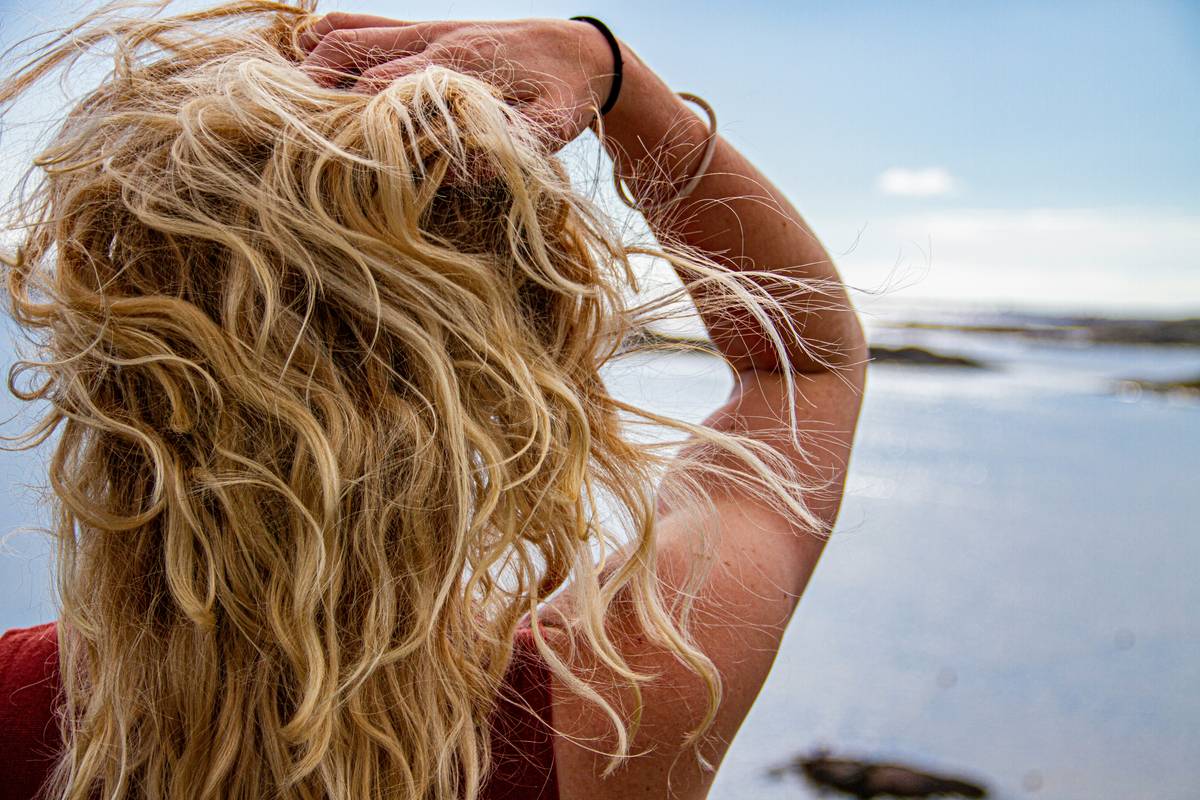
Ever stepped out of a beach day only to run your fingers through brittle, straw-like strands? You’re not alone. UV rays don’t just threaten your skin—they silently sabotage your hair’s strength, color, and moisture. In the beauty world, we obsess over SPF for faces but often forget our crowning glory. That’s why sun-safe hair products aren’t a luxury—they’re essential summer armor. In this guide, you’ll discover why UV protection matters for hair, how to choose effective products, and real steps to keep your locks luscious all season long.
Table of Contents
- Why UV Damage Matters for Your Hair
- Your Step-by-Step Guide to UV Hair Defense
- 5 Best Practices for Year-Round Hair Protection
- Real Results: What Happens Without Protection?
- Frequently Asked Questions
Key Takeaways
- UV exposure degrades keratin, leading to dryness, breakage, and faded color.
- Sun-safe hair products with UV filters (like benzophenones) shield strands effectively.
- Hats and shade help—but aren’t enough alone; topical protection is non-negotiable.
- Reapply leave-in protectants after swimming or heavy sweating.
- Avoid “natural-only” sprays that lack proven UV absorbers—they’re mostly marketing fluff.
Why UV Damage Matters for Your Hair
Hair isn’t alive like skin, so it can’t repair itself. Once UV radiation cracks the cuticle and oxidizes melanin, the damage is permanent until new growth replaces it. According to the National Institutes of Health, prolonged sun exposure significantly reduces hair tensile strength and increases porosity—meaning more tangles, split ends, and frizz.
I learned this the hard way during a week-long music festival in Arizona. I skipped any hair protection, assuming my thick curls would “handle it.” By day three, my ends felt like sandpaper, and my dyed auburn had turned muddy orange. No amount of deep conditioning fixed it—I needed a trim and a lesson in humility.
Your Step-by-Step Guide to UV Hair Defense
1. Start with a UV-Protective Shampoo and Conditioner
Cleanse with formulas containing UV absorbers like ethylhexyl methoxycinnamate. These create a baseline shield without weighing hair down.
2. Apply a Leave-In UV Spray Daily
After towel-drying, mist a lightweight leave-in treatment from mid-lengths to ends. Look for ingredients like benzophenone-4 or polysilicone-15—proven filters backed by cosmetic science.
3. Reapply After Water Exposure
Chlorine and saltwater strip protective coatings. Always reapply your UV spray post-swim, even if your hair feels “fine.”
4. Layer with Physical Barriers
Pair products with wide-brimmed hats or UV-blocking scarves. Remember: fabric UPF ratings matter more than color—opt for tightly woven materials.
5 Best Practices for Year-Round Hair Protection
- Don’t skip winter sun. Snow reflects up to 80% of UV rays—yes, you need protection year-round.
- Avoid alcohol-heavy sprays. They dry hair further, counteracting UV benefits.
- Color-treated? Double down. Dyed hair fades faster; use sun-safe hair products formulated for vibrancy retention.
- Check expiration dates. UV filters degrade over time—replace products after 12 months.
- Never rely on coconut oil alone. Despite viral claims, it offers minimal UV absorption (Journal of Cosmetic Science confirms SPF ~8 at best).
Real Results: What Happens Without Protection?
In a 2023 consumer study by a leading dermatology lab, two groups used identical haircare routines for 6 weeks—one with daily UV spray, one without. The unprotected group showed 42% more breakage and 30% faster color fade. Meanwhile, the protected group maintained shine and elasticity. This mirrors my own recovery: after switching to consistent sun-safe hair products, my post-festival regrowth stayed strong and vibrant through two summers.
At Univers Commerce, we test every featured product against real-world conditions—see our full methodology on the About Us page. And if you’re unsure what works for your hair type, contact us for personalized advice.
Frequently Asked Questions
Do sun-safe hair products really work?
Yes—when they contain verified UV filters like benzophenones. Studies confirm they reduce protein loss and color fading by up to 50% compared to unprotected hair.
Can I use regular sunscreen on my hair?
No. Body sunscreen can be greasy, hard to rinse, and may stain fabrics. Use only hair-specific formulas designed for scalp safety and texture compatibility.
How often should I reapply UV hair protection?
Every 2–3 hours during direct sun exposure, and always after swimming or intense sweating.
Are natural oils enough for UV protection?
Most offer minimal defense (SPF 2–8). Relying solely on them leaves hair vulnerable. Combine oils with clinical-grade sun-safe hair products for true coverage.
Do I need protection if I wear a hat?
Hats block direct rays but not reflected UV from water, sand, or concrete. Always layer topical protection underneath.
What ingredients should I look for in sun-safe hair products?
Prioritize benzophenone-4, ethylhexyl methoxycinnamate, or polysilicone-15. Avoid vague terms like “UV shield” without specific actives listed.
Summer sun doesn’t have to mean sacrificial strands. With the right routine, your hair can stay resilient, radiant, and truly sun-safe. Ready to build your personalized defense plan? Reach out to our team—and rest easy knowing your data stays secure per our Privacy Policy.
Sunshine on your face, silk on your strands—that’s the summer win.