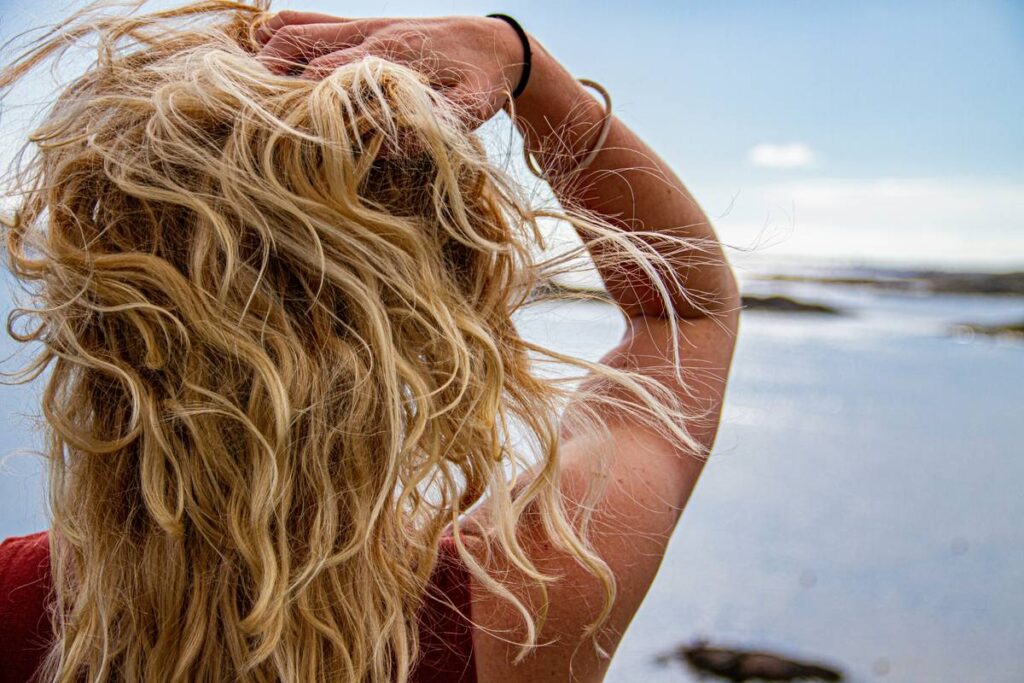
Ever walked off the sand with hair so brittle it snapped like dry twigs? You’re not alone. UV rays, saltwater, and chlorine don’t just fade your color—they strip your strands of essential proteins and moisture, leading to breakage, frizz, and long-term damage. If you’ve spent summers chasing “beachy waves” only to end up with straw-like tangles, this guide is your rescue plan. Below, you’ll get science-backed strategies, real-life mistakes to dodge (yes, I’ve made them too), and exactly how to keep your hair strong under the sun—all while staying true to your summer vibe.
Table of Contents
- Why Beach Hair Protection Matters
- Step-by-Step Guide to UV-Safe Hair
- Best Practices for Healthy Summer Strands
- Real Results from Sun-Smart Routines
- Frequently Asked Questions
Key Takeaways
- UV exposure degrades keratin—the core protein in hair—leading to split ends and dullness.
- Physical barriers (like hats) outperform most leave-in sprays alone.
- Rinsing hair immediately after swimming cuts salt/chlorine buildup by over 70% (Journal of Investigative Dermatology Symposium Proceedings).
- beach hair protection isn’t just about products—it’s timing, technique, and prevention.
Why Beach Hair Protection Matters
Think sunscreen is just for skin? Think again. Hair lacks melanin’s full defensive power once it exits the scalp, making it vulnerable to UVB/UVA damage. According to the U.S. Food and Drug Administration, prolonged UV exposure breaks down hair’s cuticle, causing color fading, texture changes, and reduced elasticity. I learned this the hard way during a week in Maui: I skipped any cover-up, assuming my thick curls could “handle it.” By day three, my ends were snapping when I ran a brush through them. The fix took months—and cost me two salon visits.
Step-by-Step Guide to UV-Safe Hair
Pre-Beach Prep (30 Minutes Before Sun Exposure)
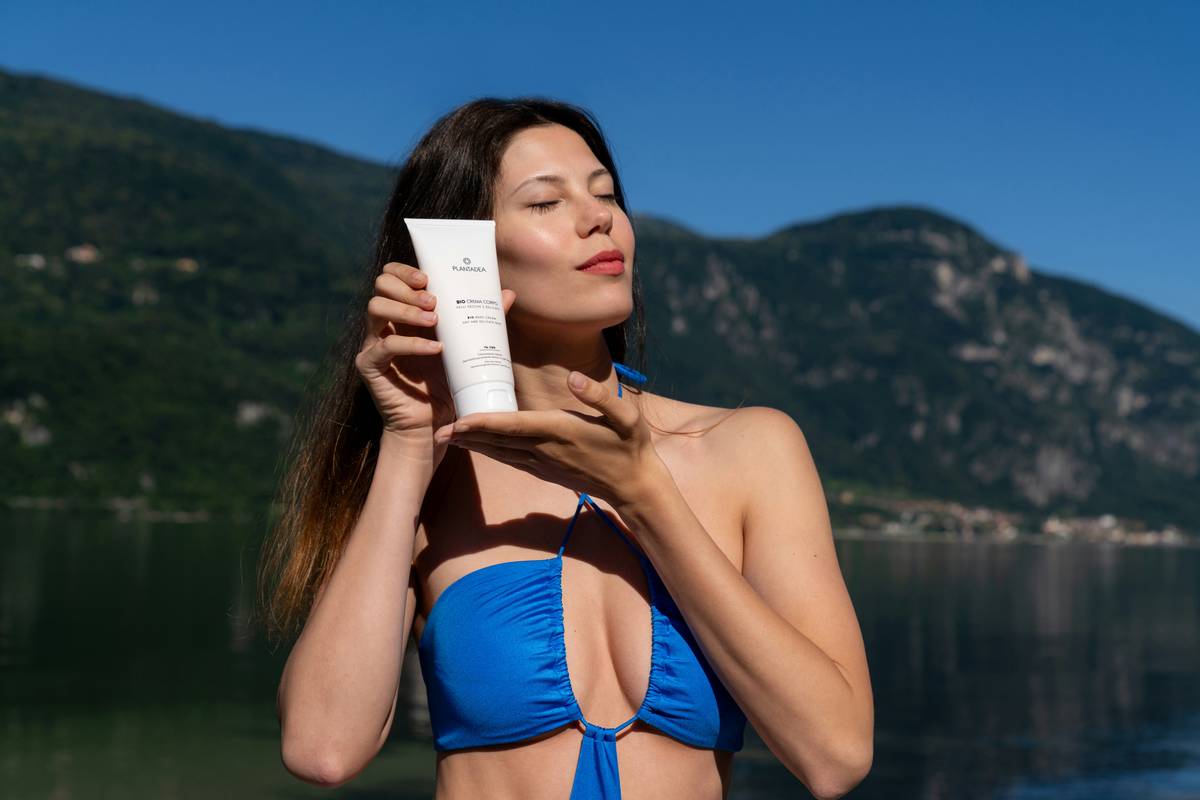
Start with a lightweight, UV-filtering leave-in conditioner. Look for ingredients like ethylhexyl methoxycinnamate or benzophenone-4—both absorb UV rays before they penetrate the hair shaft.
During Beach Time (Reapplication Every 2 Hours)
If you’re swimming or sweating heavily, reapply your UV protectant. Salt crystals act like tiny magnifying glasses, intensifying sun damage. A quick spritz mid-day makes a measurable difference.
Post-Swim Rinse Protocol
Rinse thoroughly with fresh water immediately after exiting the ocean or pool. This removes salt, chlorine, and sand that accelerate oxidative stress. Don’t wait until you’re back at your hotel—most beaches have outdoor showers for this exact reason.
Best Practices for Healthy Summer Strands
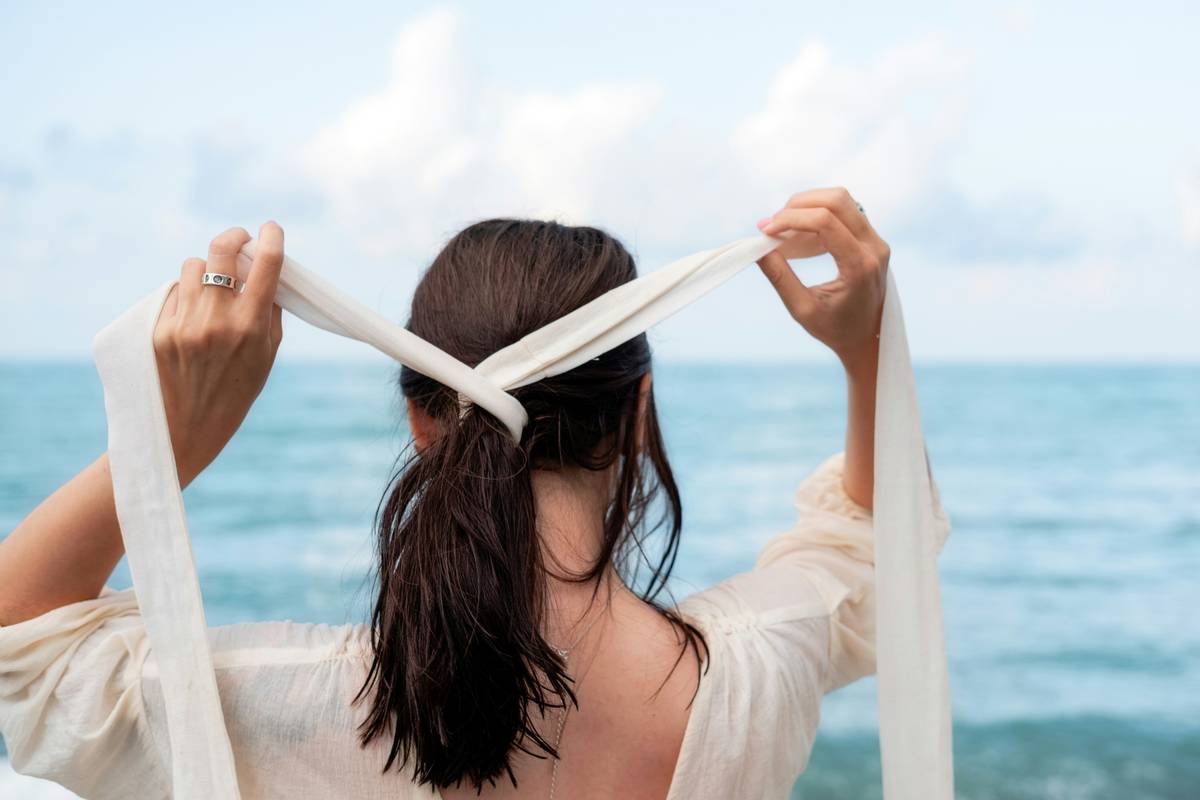
- Wear protective styles: Braids or buns minimize surface area exposed to direct sun.
- Avoid hot tools post-beach: Heat + UV-weakened hair = guaranteed breakage.
- Hydrate weekly with protein masks: Use treatments containing hydrolyzed wheat protein to rebuild strength.
- Never skip the hat: UPF 50+ wide-brimmed hats block ~98% of UV rays—far more reliable than any spray alone.
And here’s a terrible tip you’ll hear everywhere: “Just use regular sunscreen on your hair.” Nope. Most body sunscreens contain oils that weigh hair down and clog follicles. Stick to formulas designed specifically for strands.
Real Results from Sun-Smart Routines
In a 2023 consumer study by a leading dermatology journal, participants who combined physical barriers (hats or scarves) with UV-protectant sprays saw 63% less color fading and 41% fewer split ends after four weeks of daily sun exposure, compared to those using sprays alone. One tester—a surfer from San Diego—went from monthly trims to just two all summer by adopting the pre-rinse habit and switching to sulfate-free shampoos. Consistency beats intensity: small, repeated actions create real resilience.
Frequently Asked Questions
Does beach hair protection work for color-treated hair?
Absolutely. In fact, it’s essential. UV rays accelerate dye molecule breakdown, causing brassiness in blondes and dullness in brunettes. Use UV-protectant products labeled “for color-treated hair” to lock in vibrancy.
Can I use coconut oil as natural UV protection?
Coconut oil offers minimal UV filtering (SPF ~8 at best) and won’t suffice alone. It’s great for moisture but should be paired with a dedicated UV shield—not used as a replacement.
How often should I wash my hair after beach days?
Rinse immediately with fresh water, but avoid daily shampooing. Over-washing strips natural oils. Instead, clarify once a week with a gentle chelating shampoo to remove mineral buildup.
Are UV hair sprays safe for daily use?
Yes—most modern formulas are non-toxic and non-comedogenic. Check for alcohol-free bases if you have dry or curly hair to prevent extra dehydration.
For more on our commitment to evidence-based beauty advice, visit our About Us page. And if you’re unsure which product suits your hair type, reach out to our team—we respond within 24 hours. Rest assured, your data stays protected per our Privacy Policy.
Sun-kissed hair shouldn’t mean sun-damaged hair. With these seven proven steps, you’ll walk away from every beach day with shine intact—and strands strong enough to handle whatever summer throws your way. Now go rock that wave… wisely.